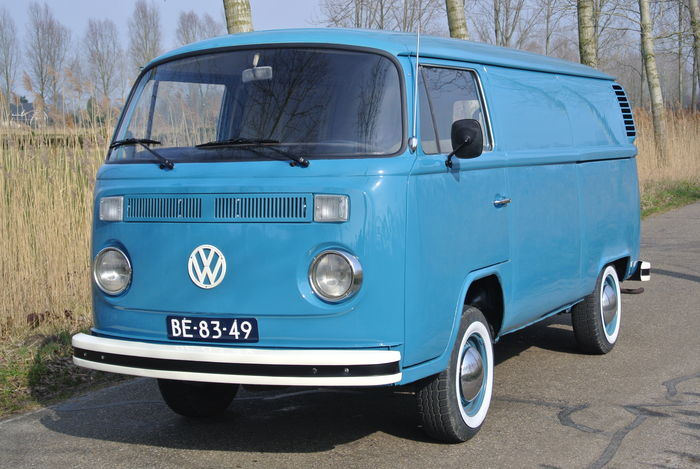
It’s hard to believe that the Volkswagen campervan began as one man’s simple sketch of a box-shaped delivery van in a small northern town in Germany. Now, one of the most iconic vehicles ever produced and a symbol of freedom, adventure and unconventionality, the Volkswagen campervan’s charm is recognised worldwide. So, how did the German car manufacturer create such an engineering masterpiece? Join us as we journey from post-war Germany, through the swinging sixties, to present day, to explore the epidemic of the travel bug and the birth of campervan culture.
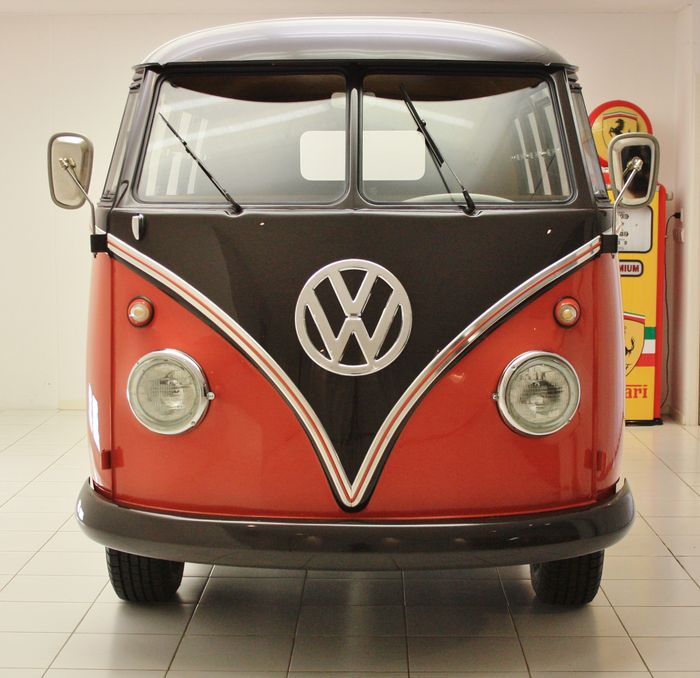
Where is all began - T1
Ben Pon, a Dutch car-dealer, remarkably managed to persuade the director of the Volkswagen Factory in Germany to put his simple sketch of a delivery van, based on the structural framework of the Beetle, into production in 1947. Pon’s idea behind the gutted out Beetle was to create a ‘People’s wagon,’ with maximised space and load capacity that would appeal to the average man. It was at the Geneva Motor Show, only two years after production began, that the first T1 was unveiled. And so the T1 was born. There was an instant buzz following the release, as people began to recognise the reliability, flexibility and adaptability of the innovative campervan. The low-cost and simple design, which gave the impression that it could be fixed, should it break down, gave the ordinary person traveling freedom that they had never had before. Recognised for its signature ‘friendly face’ and affectionately known as the ‘Splittie’ after its trademark split windscreen, the T1 began to develop a charm and personality that would gradually seduce the world.
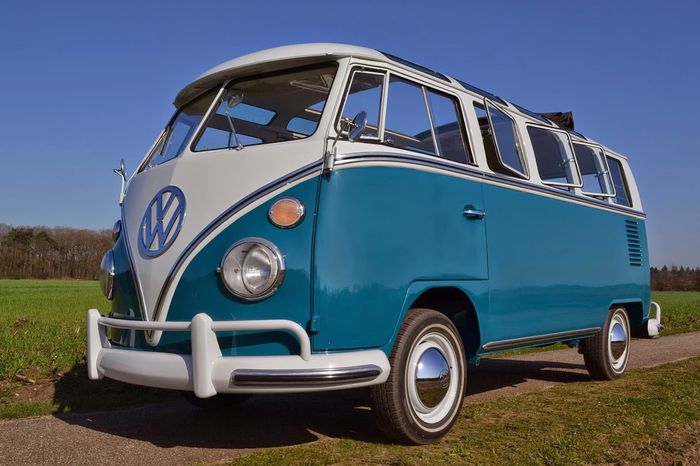
The second generation - T2
Following 17 years of T1 production, and having well and truly established itself in the global market for campers, a new generation was born; the T2. Similarly to the T1, the T2 was known for its flexibility and variation of models, allowing each owner to individually personalise their campervan. Known more commonly as the Transporter, Kombi or Microbus, the T2, an emblem of freedom and travel, soon became a strong symbol associated with the swinging sixties. With the campervan’s colourful designs and top speeds of only 113 km/h, the T2’s characterful meandering nature went hand in hand with the chilled-out hippie culture. It is even rumoured that during the ‘flower power’ years, a Campervan wave was invented. This wave, known as the ‘Shaka sign’, which means ‘hang loose’, also used in Hawaii, was practiced as a form of greeting between fellow T2 campervan owners.
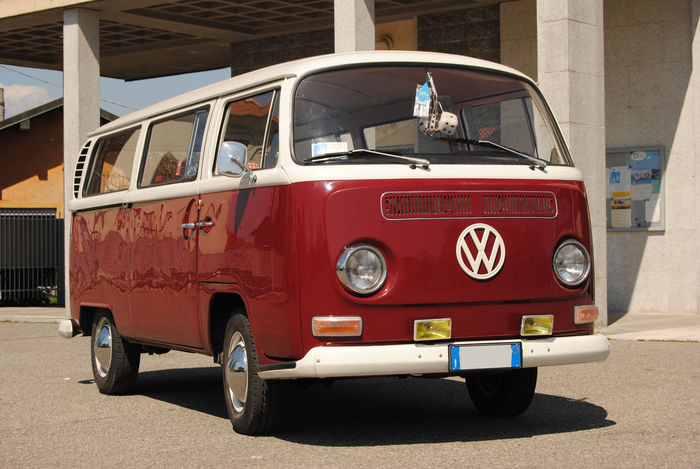
During this era, Volkswagen used offbeat advertising campaigns to showcase the hippy-mobile’s fun-loving side. One advert showed a six-piece jazz band, including all of their instruments, piling into a T2 bus, and another of nine Brazilian weightlifters lifting up and turning the van, before proceeding to climb aboard. Sadly, despite its huge success, production for T2 came to an end in December 2013 at the production plant in Sao Paulo, Brazil, following the introduction of heightened safety measures. However, this highly functional machine remains as popular as ever, and with a whopping ten million T2 campervans made during the 63 years of production, you are still in with a high chance of getting your hands on one.